
Voices of ACM-W: Audrey Mbogho on Building Community and Inclusion in Computing
By Cigdem Sengul
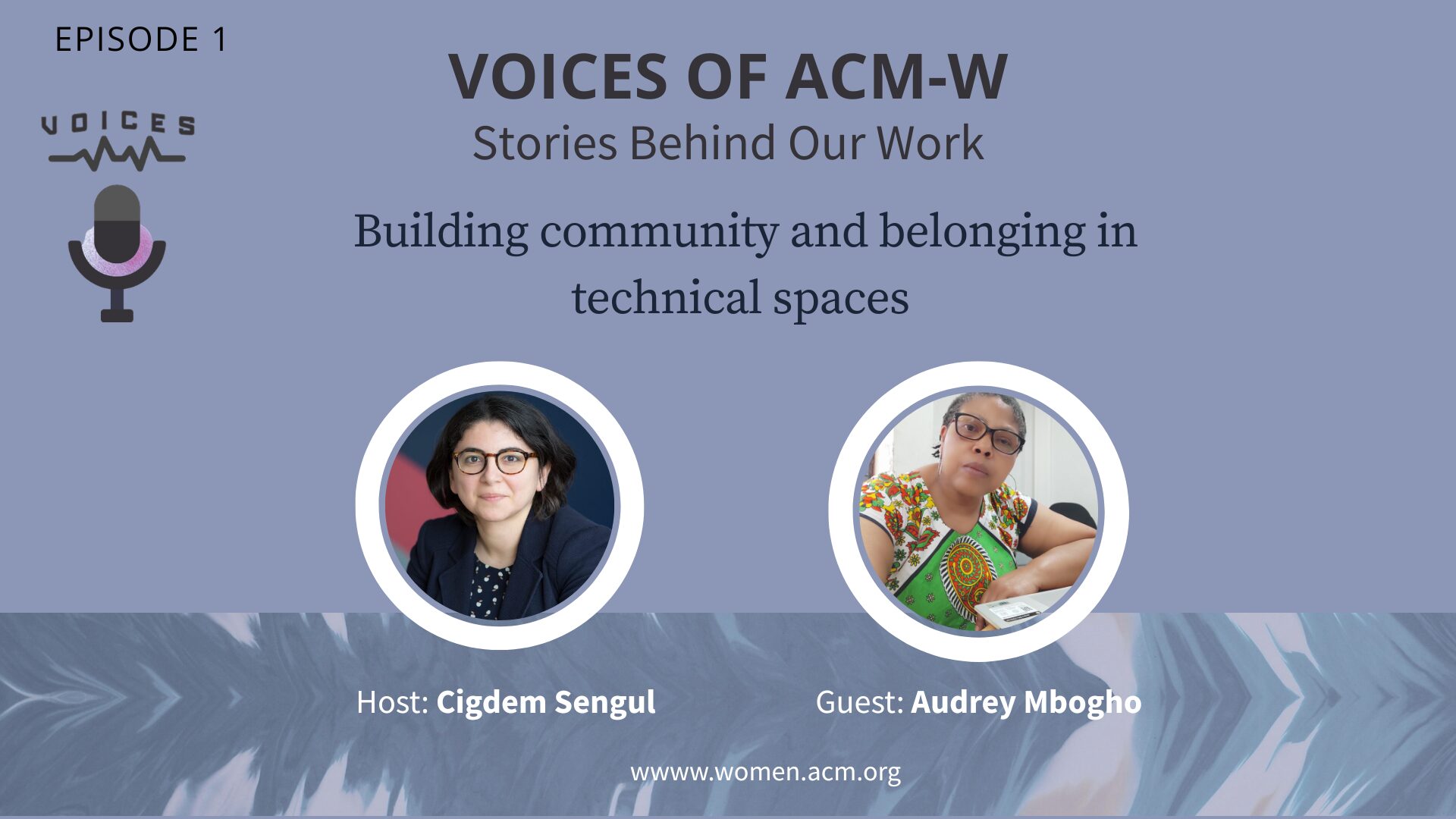
Voices of ACM-W is a global conversation series created to amplify the lived experiences of women in computing. Launched as part of ACM-W’s programming, the series goes beyond CVs and formal achievements to explore the stories behind the work, focusing on the turning points, barriers, communities, and values that shape careers in computing.
The mission of Voices of ACM-W is threefold:
- To make visible the invisible labour of community building, mentorship, and inclusion.
- To document lived experience across regions, cultures, and career stages.
- To create a reflective space where leadership, justice, belonging, and technical excellence can be discussed together.
In a field often driven by metrics and output, we intentionally centre on people, their journeys, their communities, and the ecosystems that sustain computing globally.
Episode 1 features Audrey Mbogho, a machine learning researcher and community builder whose work spans academia and women’s computing communities across Africa. This episode also featured as part of ACM’s Black History Month programme.
Building Community and Inclusion in Computing
Are you passionate about fostering inclusive spaces in technology? Wondering how to sustain community efforts despite challenges? In this conversation with Audrey Mbogho, a prominent machine learning researcher and community builder across Africa, we explore the real stories behind inclusion, leadership, and community building in the tech world.
Read how lived experiences shape perceptions, the importance of continuous involvement, and innovative models to empower women and young researchers in computing. Whether you are early in your career, involved in community initiatives, or leading others, Audrey’s reflections offer space to pause and think about how we build and sustain belonging in computing.
The Power of Community in Technical Spaces
In her experience across Kenya, South Africa, and the US, Audrey has seen how exposure to diverse cultures and academic systems fosters empathy and appreciation for differences. These varied environments shape a person’s understanding of inclusion, emphasising that belonging is something we create together, not just a given.
Community doesn’t happen by accident; it’s carefully built, maintained, and cared for by individuals who show up consistently. Audrey Mbogho emphasises that belonging in computing spaces is the result of intentional effort—through volunteer work, mentorship, and creating opportunities for others.
Audrey’s involvement in initiatives such as the ACM-W chapter in Kenya shows that activities, like visiting high schools or hosting online events, can inspire young women and students. The key is consistency and showing genuine care, which motivates others to participate and contribute.

You can find out more about how to start local tech community chapters for women in computing on our website.
Navigating Inclusion and Exclusion in Academic and Professional Settings
Audrey’s journey reveals that subtle biases and systemic challenges often hinder full inclusion. She shares that women in academia face subtle exclusions—such as students opting to work with male colleagues or supervisors, even when women demonstrate stronger expertise.
For example, Audrey recounts that students who enjoyed her courses would choose to work with male supervisors due to perceptions or biases, despite her proven expertise. These experiences underscore the importance of recognising implicit biases and actively working to counter them.
So, how to navigate these challenges?
Audrey advises focusing on excellence and perseverance:
- Present yourself confidently and showcase your strengths.
- Build a network of allies and mentors who recognise your value.
- Seek out leadership and collaborative opportunities, even if it means creating your own.
- Be strategic about collaborations and project choices to maximise impact despite systemic biases.
Models for Sustainable Leadership and Community Support
Many chapters struggle to find willing successors due to perceived workload and responsibilities. Audrey notes that when she sought to hand over her ACM-W chapter in Kenya, few volunteers stepped up, partly because of the heavy expectations associated with leadership roles.
These leadership gaps are common, especially in volunteer-driven chapters. In such cases, shared leadership models, like joint professional and student chapter roles, may help distribute responsibilities and cultivate new leaders.
Practical solutions may include:
- Train potential leaders early through mentorship and co-leadership arrangements.
- Promote leadership as an accessible role, emphasising that initiating activities is already a form of leadership.
- Foster collaboration between students and professionals to maintain continuity and vitality.
Encouraging young women to step into leadership, especially within student chapters, can build a pipeline of future leaders.
The Role of Global Organisations in Fostering Regional Growth
Audrey emphasises that organisations like ACM and ACM-W can do more to raise awareness and recognition across Africa and other regions. She suggests that increased visibility through regional conferences, seminars, and collaborations could strengthen local chapters and boost participation in conferences.
In Africa, conference publications are often undervalued compared to journal articles. Audrey advocates for more regional ACM conferences and collaborations that recognise the importance of conference proceedings in computer science and engineering.
We need practical next steps, such as organising local or regional ACM and ACM-W conferences to create accessible platforms and encouraging international collaboration to connect African researchers with global networks. You can discover best practices for organising regional tech events on our website.
Reflections and Lessons for Future Community Builders
Audrey shares her experience of forming the ACM-W Kenya chapter and organising the Celebration of Women in Computing in Africa. Her collaborative efforts, even with limited resources, lead to successful events and sustained engagement.
Looking back at successful celebrations like the 2022 and 2024 events, Audrey highlights perseverance amidst challenges—such as last-minute government holidays or logistical hurdles in 2024. The core message is resilience and focusing on what can be achieved with dedicated people.
Key takeaways
- Consistency and care foster community loyalty.
- Leadership can be shared and distributed to ensure continuity.
- Regional organisations should amplify their presence at local conferences.
- Small actions can inspire big changes.
For those looking to make an impact, Audrey recommends that young women in computing actively seek mentoring opportunities, volunteer, and generously share their knowledge.
Final Words
Audrey Mbogho’s journey reflects sustained leadership and community-building across computing communities worldwide. Her work demonstrates how inclusive spaces are shaped through consistent engagement, mentorship, and collaboration.
Conversations like this remind us that belonging in computing is something we build together. If this discussion resonates, you might consider how you would like to be involved — whether through mentorship, organising local initiatives, strengthening regional research communities, or contributing to ACM-W as a volunteer.
Listen to the Full Conversation
Our Guest
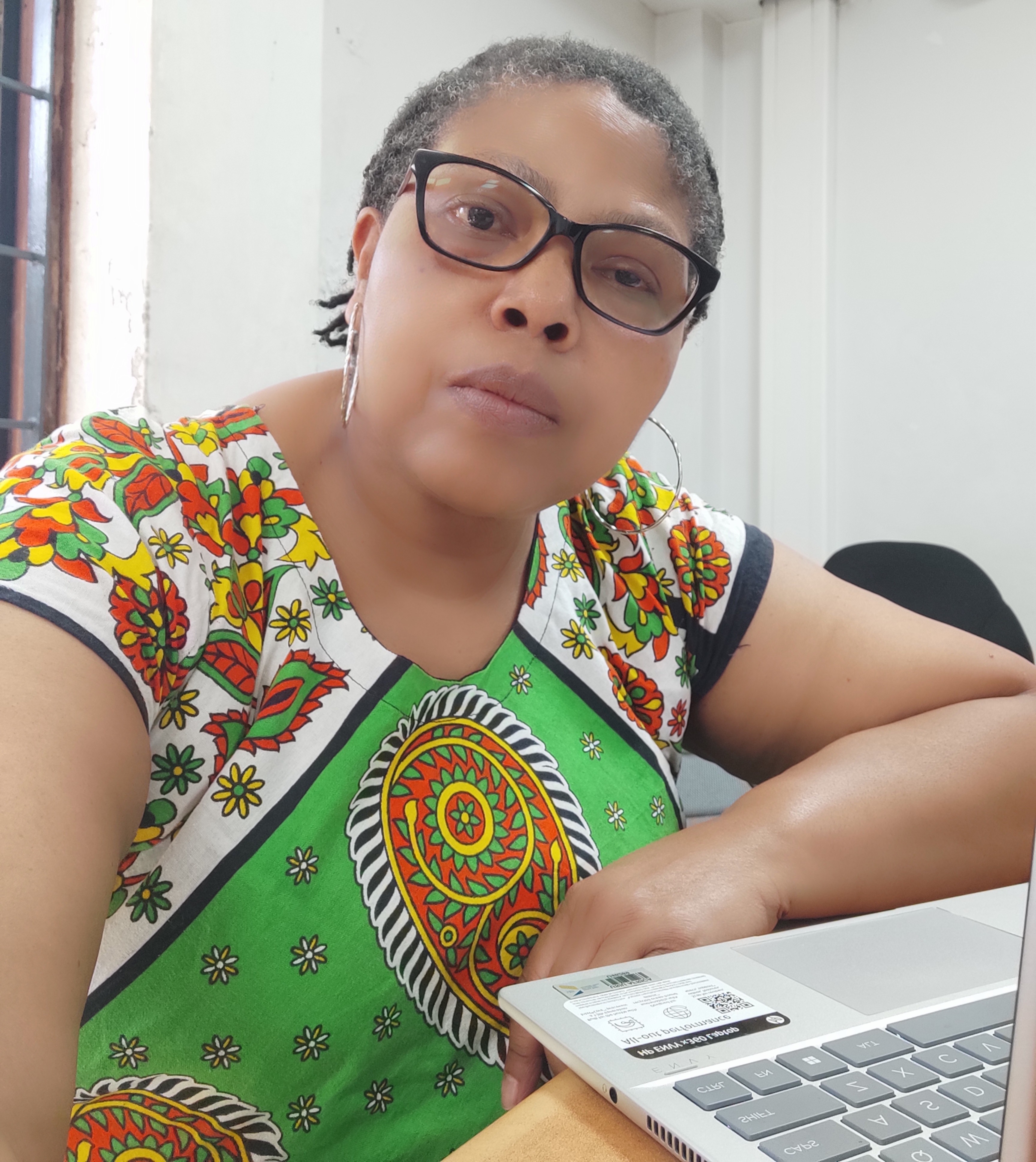
Audrey Mbogho, PhD, is an associate professor of machine learning at USIU-Africa in Nairobi, Kenya. Prior to joining USIU-Africa, she was a senior lecturer in computer science at the University of Cape Town, and later an associate professor of computer science at Pwani University in Kilifi, Kenya. Her current research is in natural language processing for low-resource African languages. She has been involved in organising ACM Celebrations of Women in Computing in Africa for the last four years.
References
- Spotlighting the Nairobi Chapter in the ACM-W Professional Chapter’s Corner
- Celebrating the Evolution of ACM-W Scholarships: Empowering Women in Computing
- Friederike Mengel, Jan Sauermann, Ulf Zölitz, Gender Bias in Teaching Evaluations, Journal of the European Economic Association, Volume 17, Issue 2, April 2019, Pages 535–566, https://doi.org/10.1093/jeea/jvx057